


Digital media touches almost every part of modern life. We search for information, shop, follow the news, watch television, listen to radio and podcasts, and talk to friends and businesses through screens. For a small business, a community group or an independent creator, digital media is also where most audiences are found, and where many of the rules that govern marketing, privacy and copyright now apply.
Digital Media Guide is an independent explainer site for Australians. We explain how search engines, social media, email marketing and online advertising work, how streaming, catch-up TV and digital radio have changed broadcasting, and how to create podcasts, video and web content that people actually want to read, watch and hear. Every guide is written in plain English and based on regulator, government and platform sources.
Spam Act 2003
Rules for marketing email and SMS
Enforced by ACMA
13 APPs
Australian Privacy Principles
Under the Privacy Act 1988
Automatic
Copyright protection
No registration needed in Australia
Digital marketing
Marketing has moved from print, radio and TV toward search, social media and email, where even a very small business can reach customers. Our digital marketing section explains SEO basics, social media marketing, email marketing and the Spam Act and online advertising. The focus is on what works over time, what the rules require, and how to avoid wasting money.

Media and streaming
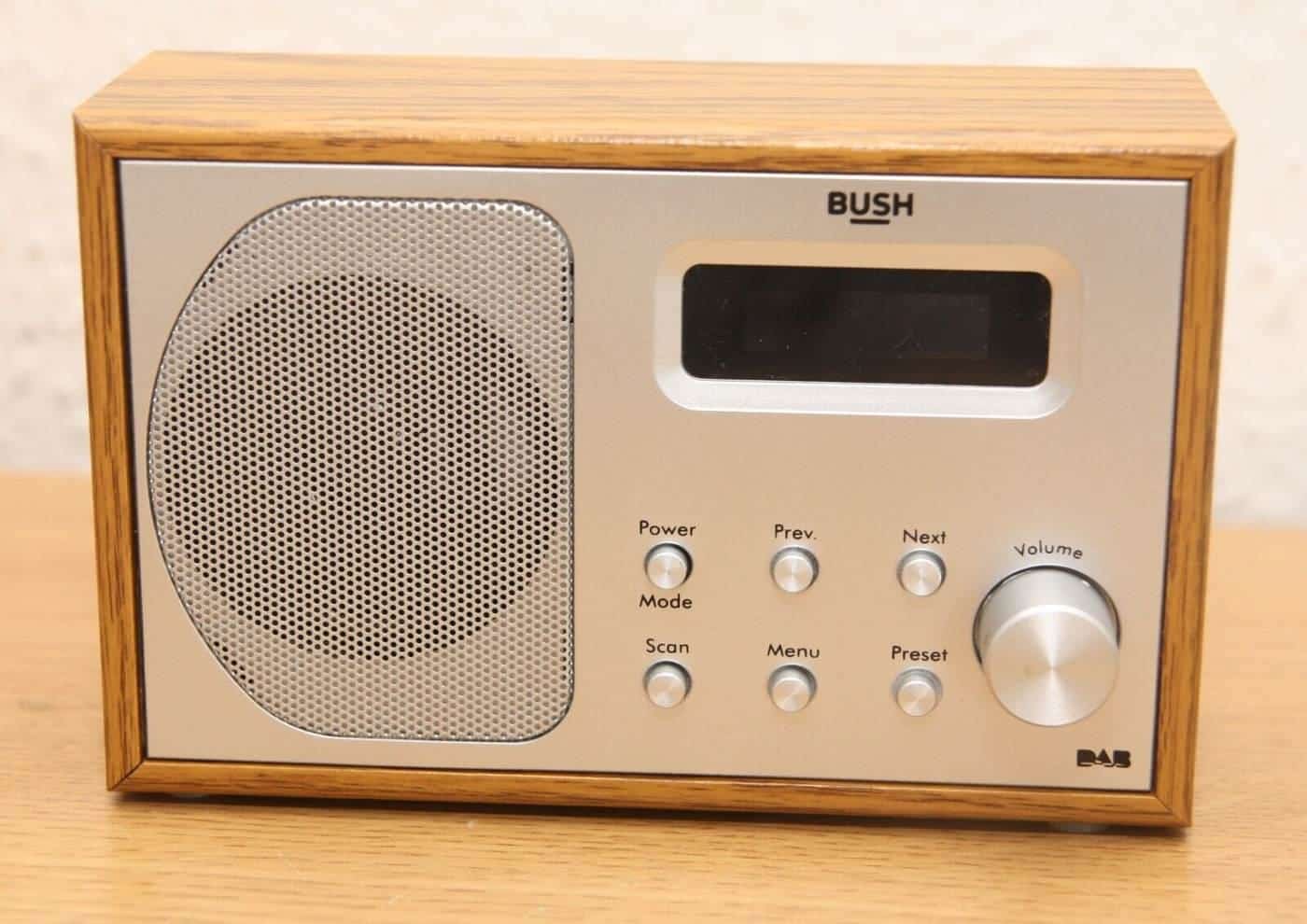
Australian broadcasting has changed enormously since the switch from analogue to digital television, completed in December 2013. Free-to-air networks run catch-up and streaming services, subscription streaming is mainstream, and DAB+ digital radio has been broadcasting in mainland capital cities since 2009. Our media and streaming section explains streaming and catch-up TV, DAB+ digital radio, privacy and online advertising and media literacy and misinformation.
Content creation
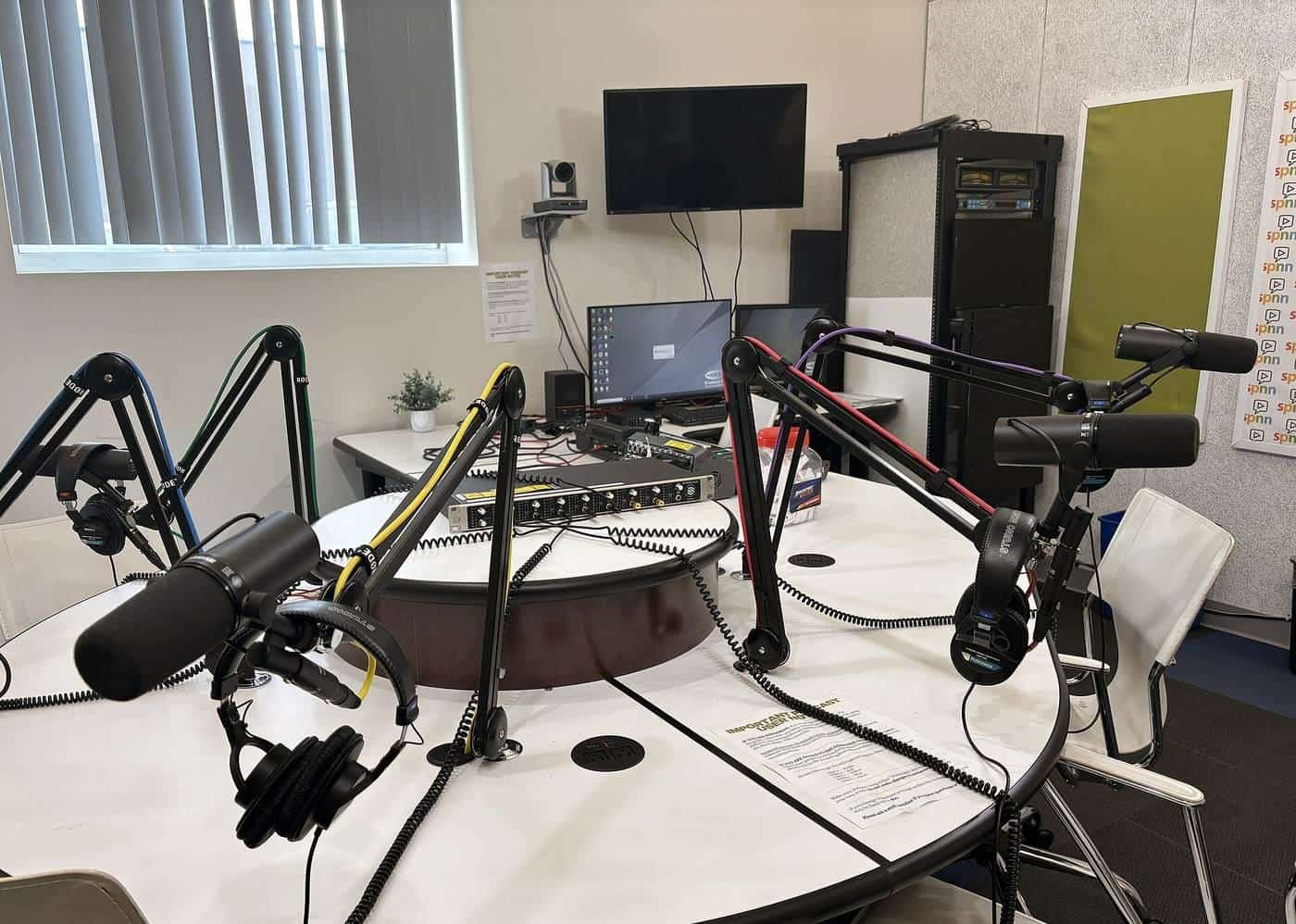
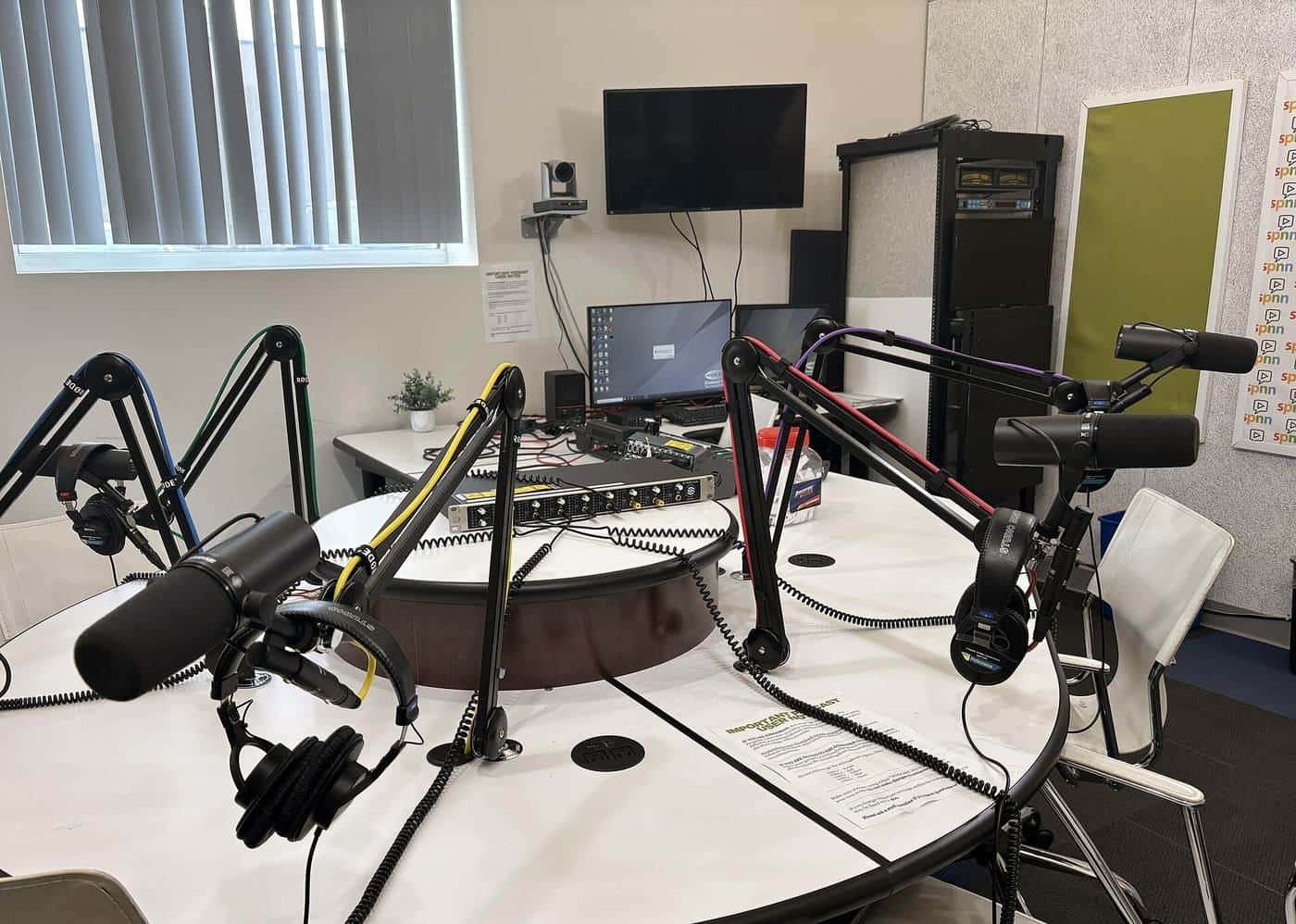
Anyone with a phone can now publish to a global audience, but making content worth paying attention to takes skill. Our content creation section covers starting a podcast, video for social media, writing for the web and image copyright and licensing.
Five principles for digital media
- Start with the audience. Know who you are trying to reach, what they need and where they spend time online before choosing channels or tools.
- Own your channels. Social platforms change their rules and algorithms. A website and an email list you control are more durable foundations.
- Earn trust. Be honest in advertising, disclose paid relationships, respect people's inboxes and handle personal information carefully.
- Write clearly. Short sentences, everyday words and a clear structure help people on small screens. Try our readability tool.
- Respect copyright. Use your own images, music and words, or properly licensed ones, and credit creators as licences require.
The Australian digital media landscape
Australia has its own regulators and laws for digital media. The Australian Communications and Media Authority (ACMA) regulates broadcasting, radiocommunications and telecommunications, and enforces the Spam Act and the Do Not Call Register. The Office of the Australian Information Commissioner (OAIC) oversees privacy and freedom of information. The Australian Competition and Consumer Commission (ACCC) enforces the Australian Consumer Law, including the ban on misleading or deceptive conduct, which applies online just as it does offline. The eSafety Commissioner administers the Online Safety Act 2021, including complaints schemes for cyberbullying, image-based abuse and illegal and restricted content.
Self-regulation matters too. Ad Standards handles complaints about advertising under industry codes such as the AANA Code of Ethics, which apply to digital and social media advertising, including many influencer posts. Digital platforms have signed up to a voluntary industry code on disinformation and misinformation.
Laws continue to change. Recent reforms include amendments to the Privacy Act passed in 2024, and a minimum age of 16 for holding accounts on certain social media platforms, under legislation passed in 2024. We note the date each guide was last checked and link to the official sources.
Who this guide is for
We write for small business owners doing their own marketing, staff at not-for-profits and community groups, new podcasters and video creators, students of media and communications, and anyone who wants to understand how digital media works and how it affects them. You don't need technical knowledge to use our guides. Each one explains key terms, includes a checklist and lists common mistakes to avoid.
How we research
We base our guides on sources such as ACMA, the OAIC, the ACCC, the eSafety Commissioner, Australian legislation on the Federal Register of Legislation, official platform documentation such as Google Search Central, the Australian Copyright Council and Creative Commons. We don't invent statistics, audience figures or case studies, and we list sources on every page. Read our editorial policy.
About this domain
digital-media.net.au hosted an Australian digital media industry news site from around 2008 to 2011. It was relaunched in 2026 as an independent explainer site, and every page has been written from scratch. We aren't connected with any previous operator, publication, agency or platform.
Key points
Digital Media Guide explains digital marketing, media and content creation for Australians in plain English. Start with your audience, build channels you own, follow the Spam Act, Privacy Act and consumer law, write clearly and respect copyright.