A podcast is a series of audio (and sometimes video) episodes that listeners can subscribe to and download or stream on demand. Because podcasts are distributed through open RSS feeds, anyone can publish one without permission from a broadcaster or platform. You can reach listeners around the world with little more than a phone, a decent microphone and something worth saying.
That low barrier to entry means there are a great many podcasts. The ones that last have a clear idea, a defined audience, decent sound and a consistent schedule. This guide walks through each step.
RSS
How podcasts are distributed
One feed, many apps
Audio first
Good sound matters most
More than video or graphics
Consistency
Builds an audience
A schedule you can sustain
Plan your show
Start with the idea. What is your podcast about, who is it for and why would they listen to you rather than one of the many other shows? A specific niche, such as gardening in the tropics, Australian legal history or interviews with regional business owners, is often easier to grow than a general chat show.
Then decide on the format:
- Solo: one host sharing expertise or stories. Easy to schedule, but demanding to keep engaging.
- Co-hosted: two or more regular hosts. Conversation flows naturally if hosts have good chemistry.
- Interview: a host talking with a different guest each episode. Guests bring variety and their own audiences.
- Narrative or documentary: scripted, researched storytelling. Can be outstanding but takes far more time.
- Panel or roundtable: several voices discussing a topic.
Choose a name that clearly signals what the show is about, check it isn't already used by another podcast or a registered trade mark, and write a short description. Plan your first several episodes before you launch, so you know you have enough ideas.
Equipment
You don't need a studio. Priorities, in order:
- A quiet room with soft furnishings. Room echo makes recordings sound amateur more than anything else. Carpets, curtains, couches and bookshelves absorb sound. Some people record in a wardrobe full of clothes.
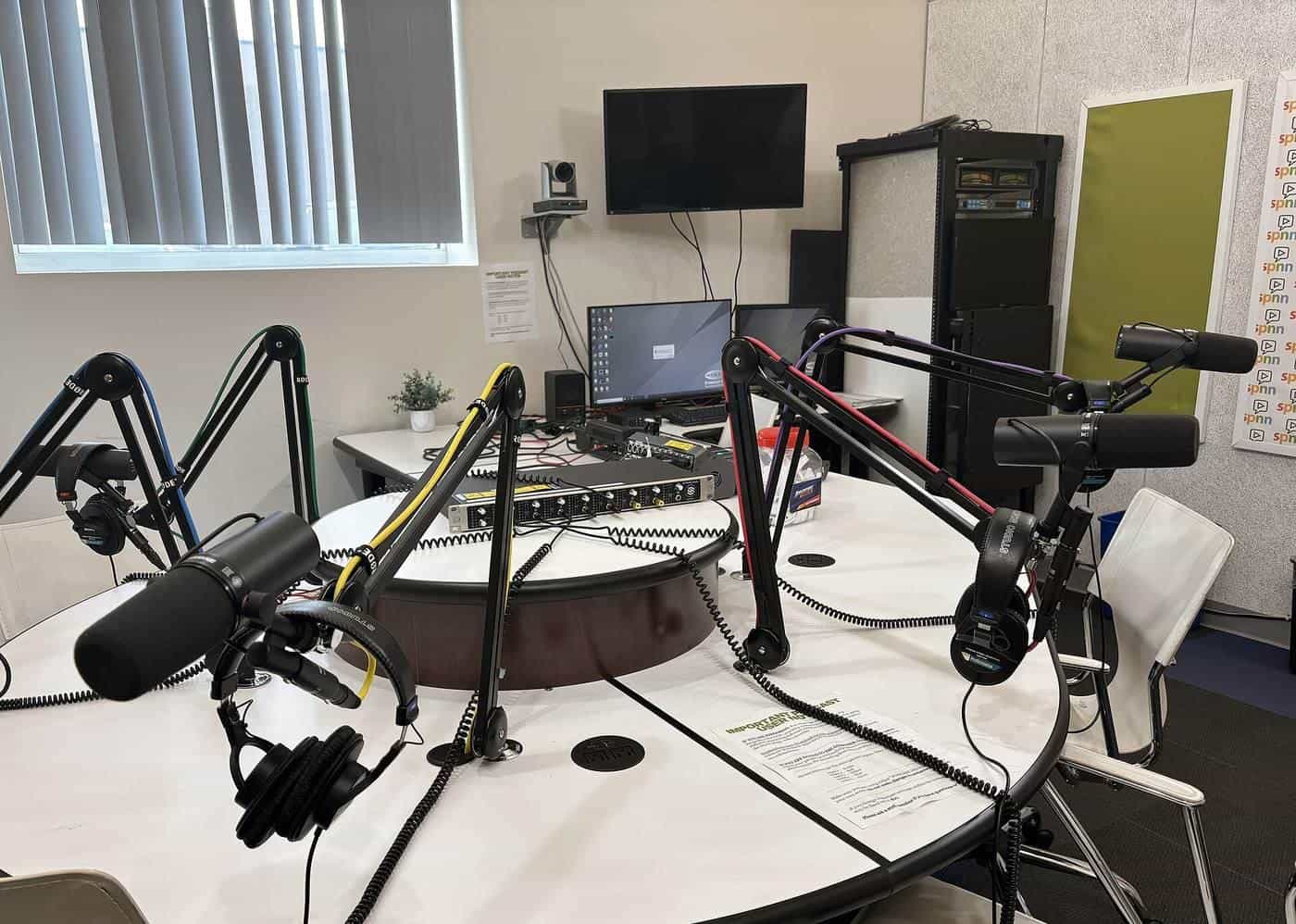
- A decent microphone. A dynamic USB microphone is a popular starting point because it is simple to use and picks up less room noise. XLR microphones with an audio interface offer more flexibility.
- Headphones. Closed-back headphones let you monitor sound as you record.
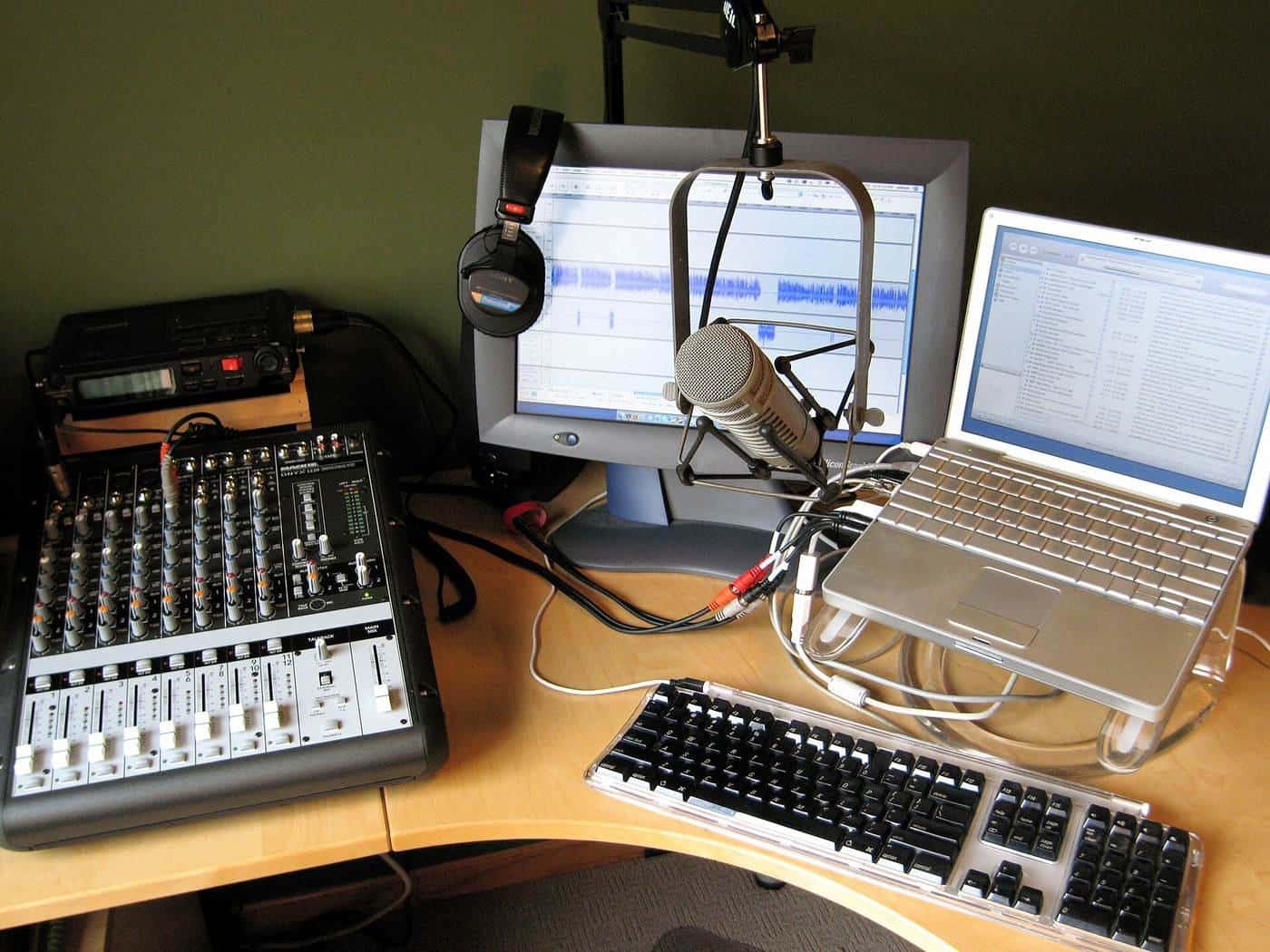
- Recording software. Free and paid audio editors work well, and remote recording platforms capture each participant separately.
Each person should have their own microphone. Position it close to your mouth, at a consistent distance, and use a pop filter to soften plosive sounds such as "p" and "b".
Recording
Before recording, prepare an outline or script, test your levels, silence phones and turn off noisy appliances. Record a short test and listen back. For remote interviews, ask guests to use headphones and a microphone, find a quiet room and use a wired connection if possible. Recording each person on a separate track gives you much more control when editing.
Speak naturally, as if talking to one listener. Leave a pause before restarting a sentence you've stumbled on, which makes editing easier.
Editing
Editing turns a raw recording into a polished episode. Typical steps include removing long pauses, false starts and off-topic tangents; balancing levels between speakers; reducing background noise; adding intro and outro music; and exporting in a standard format at a consistent loudness. Don't over-edit: removing every "um" can make speech sound unnatural.
Many podcasters create transcripts, which improve accessibility and search visibility and can be turned into show notes or articles.
Hosting and publishing
You need a podcast hosting service to store your audio files and generate your RSS feed. Don't upload audio directly to your website server, which can struggle with large downloads. When choosing a host, consider price, storage limits, statistics, ease of submitting to directories, website and embed features, monetisation options and whether you can move your feed if you change hosts.
Once your first episode is uploaded, submit your RSS feed to the major podcast directories. After that, new episodes appear automatically. Create cover art that is clear and readable at small sizes, as it appears tiny in podcast apps.
Growing an audience
New podcasts grow slowly. Ways to build an audience include:
- publishing on a consistent schedule;
- asking listeners to follow and share the show;
- appearing as a guest on other podcasts, and inviting guests who will share their episode;
- sharing short audio and video clips on social media;
- writing show notes and transcripts that can be found in search engines;
- building an email list of listeners;
- engaging with listener feedback and questions.
Download statistics are useful, but focus on whether listeners stay and return.
Making money
Podcasts can earn money through sponsorships and advertising, listener support and memberships, premium content, affiliate links, and by promoting the host's own business, services or books. Clearly disclose sponsored content and paid endorsements, in line with the Australian Consumer Law and advertising codes. Most podcasts take time to build an audience large enough to attract sponsors.
Legal basics
- Music and audio. Use only music and clips you have rights to. Copyright applies automatically in Australia.
- Guest consent. Get permission to record and publish, and explain how the content will be used.
- Defamation. Statements that harm someone's reputation can lead to defamation claims, even on a small podcast. Be careful with allegations about identifiable people and businesses.
- Recording laws. State and territory laws regulate recording private conversations. Always tell people they are being recorded.
- Trade marks. Check your show name doesn't infringe an existing trade mark.
The Arts Law Centre of Australia offers resources for creators.
Podcast launch checklist
0 of 10 done
Ticks are saved in this browser only.
Common mistakes
- Recording in an echoey room.
- Launching with one episode and no plan for the next.
- Long, rambling introductions before the content starts.
- Using commercial music without a licence.
- Inconsistent publishing that loses listeners.
- Giving up before the show has had time to grow.
Video podcasts
Many podcasts now also publish video versions on video platforms. Filming adds work, but even a simple static camera can help discovery and provide clips for social media.
Key points
Plan a focused show for a defined audience, prioritise good sound in a quiet room, record each speaker separately, edit for clarity, publish through a hosting service's RSS feed on a consistent schedule, promote through guests, clips and email, and get the legal basics right.
Frequently asked questions
How much does it cost to start a podcast?
You can start with a smartphone and free software. Many podcasters spend modestly on a good microphone and headphones, and pay for a hosting service. Hosting plans range from free tiers to paid plans with more features.
How long should episodes be?
As long as they need to be to deliver on their promise, and no longer. Some successful shows run for 15 minutes, others for over an hour. Consistency of length helps listeners fit your show into their routine.
Do I need a website for my podcast?
It isn't essential, because hosting services generate a feed and episode pages, but a simple website with show notes, transcripts and contact details helps search visibility and gives you a home you control.
Can I use music in my podcast?
Only if you have the rights. Commercial music generally needs licences that are complex for podcasts. Use royalty-free music, music licensed specifically for podcasting, or music you've commissioned with clear written rights.
How do I get my podcast on popular apps?
Your hosting service creates an RSS feed. You submit that feed once to each major podcast directory, and new episodes then appear automatically.
Do I need my guests' permission?
Yes, get clear consent from guests to record and publish the conversation, ideally in writing. Tell them how the episode will be used, including on other platforms and in clips.
Sources and further reading
Facts on this page were checked against these primary and official sources. Conditions change — confirm before you travel or buy.
- Podcast — Wikipedia
- RSS — Wikipedia
- Music licensing for podcasts — APRA AMCOS
- Defamation — Arts Law Centre of Australia