Radio is one of the most enduring forms of media. It's free, portable, works without an internet connection and keeps people company at home, at work and in the car. Over the past two decades, radio has gone digital too, both through DAB+ broadcasting and through streaming apps and smart speakers.
In Australia, permanent DAB+ digital radio services began in the five mainland state capitals, Sydney, Melbourne, Brisbane, Adelaide and Perth, in 2009. This guide explains how DAB+ works, how to listen and how it compares with other ways of hearing radio.
2009
DAB+ launched
Mainland state capitals
Free
To receive
No subscription or data
DAB+
Australian standard
Upgraded version of DAB
What is DAB+?
DAB stands for Digital Audio Broadcasting, a standard for transmitting radio digitally rather than as analogue AM or FM signals. DAB+ is an updated version that uses a more efficient audio codec, so broadcasters can fit more stations into the same amount of spectrum at good sound quality. Australia adopted DAB+ from the start of its permanent digital radio services.
Instead of each station having its own frequency, DAB+ groups several stations into a single digital signal called a multiplex or ensemble. Your receiver decodes the multiplex and lists the stations by name, so you choose stations from a list rather than tuning to a frequency.
Advantages of digital radio
- More stations. Digital radio carries extra stations not available on AM or FM, including digital-only stations and broadcasters' extra channels.
- Station names. Stations are listed by name, with no frequencies to remember.
- Extra information. Receivers can show text such as song titles, program information and news headlines, and some show images such as album art.
- Consistent sound. Within good coverage, digital radio avoids the hiss and interference that can affect analogue reception.
- No data costs. Unlike streaming, broadcast radio doesn't use mobile data.
Limitations
Digital reception tends to be all or nothing. Within good coverage, sound is clear. As the signal weakens, it may drop out altogether, sometimes with a burbling sound, rather than gradually becoming noisy as FM does. Coverage is strongest in capital cities and some regional areas, and indoor reception can be weaker in some buildings. AM and FM therefore remain important, particularly in regional and remote areas and for emergency information.
Coverage
After launching in the mainland state capitals in 2009, DAB+ has expanded to other capital cities and to a number of regional areas, with further rollouts over time. Coverage maps published by industry bodies and broadcasters show where you should get good reception. Remember that maps are a guide, and local terrain and buildings affect reception.
Choosing a DAB+ radio
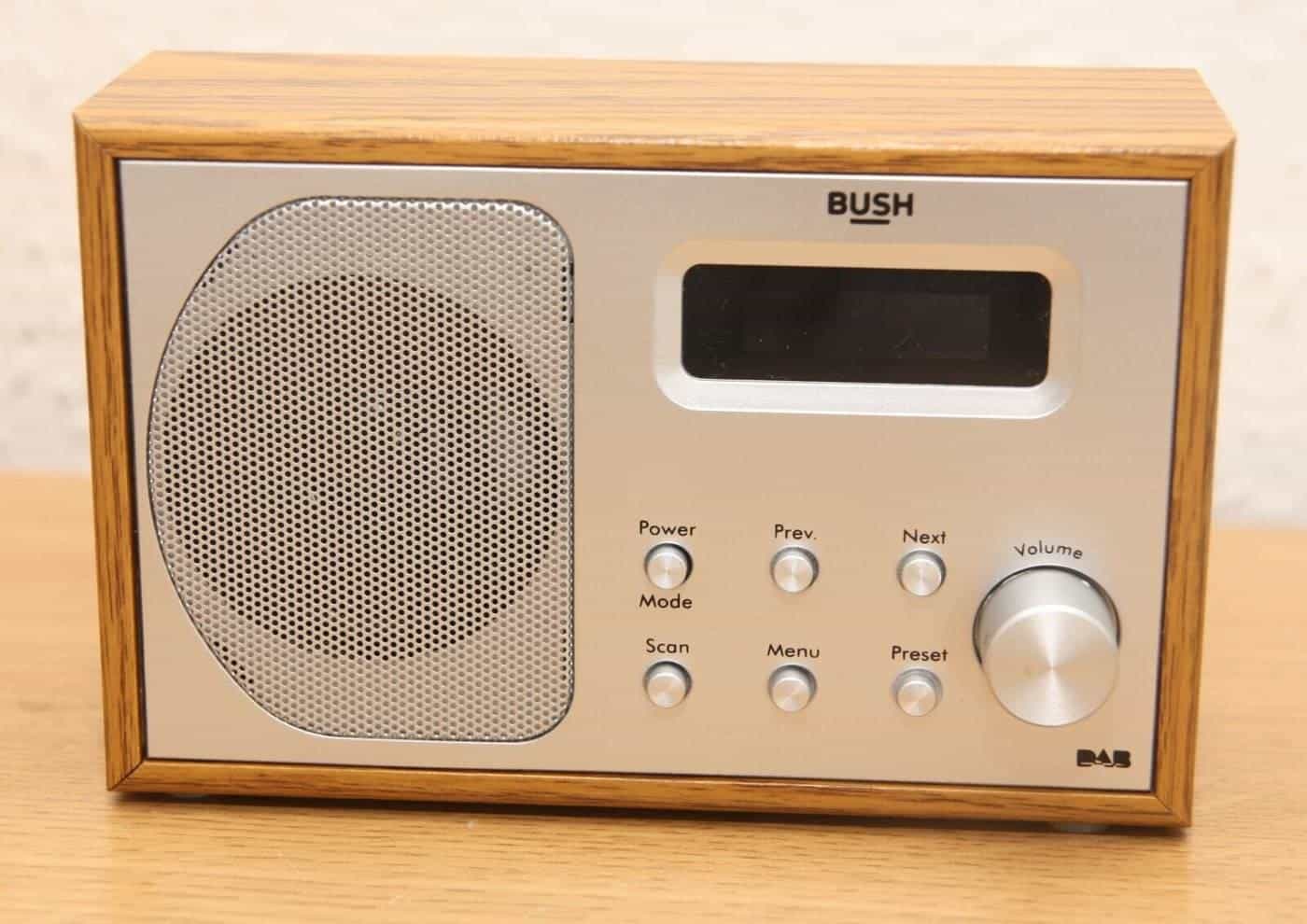
DAB+ radios range from small portable sets and clock radios to hi-fi tuners and smart speakers with built-in digital radio. When choosing one, consider:
- DAB+ compatibility. Make sure it supports DAB+, not just the original DAB standard. Radios sold in Australia should, but check imported or second-hand sets.
- FM as well. Most digital radios also include FM, useful outside DAB+ coverage.
- Antenna. A good telescopic antenna or an option for an external antenna helps reception.
- Power. Battery or rechargeable models are portable and useful in power outages.
- Display and controls. Clear displays and simple controls suit everyday use, especially for older listeners.
- Extra features. Alarms, presets, Bluetooth, internet radio and streaming services.
Digital radio in cars
Many new cars include DAB+ radio. If yours doesn't, adapters can add digital radio to an existing car stereo, usually with a small antenna mounted on the windscreen. Because coverage is concentrated in cities and some regional areas, radios in cars switch between DAB+ and FM, and some automatically follow a station between the two.
Streaming radio
Most Australian radio stations also stream online through their own apps, aggregator apps, websites and smart speakers. Streaming lets you listen anywhere with an internet connection, including stations from other cities and countries, and often to catch-up programs and podcasts. It uses data, and live streams can lag a little behind the broadcast signal. Many broadcasters publish programs as podcasts, blurring the line between radio and podcasting. Our starting a podcast guide covers making your own.
Radio in emergencies
Broadcast radio plays a vital role during emergencies such as bushfires, floods and cyclones. Emergency broadcasters, including ABC Local Radio and some commercial and community stations, carry official warnings and information. Radio can keep working when mobile networks and internet are disrupted, and battery-powered radios work during power outages.
Emergency services recommend including a battery-powered or wind-up radio and spare batteries in your emergency kit. Know your local emergency broadcaster's frequencies on AM and FM, because DAB+ coverage may not extend everywhere you might be.
Community radio
Community broadcasters play a significant role in Australian radio, serving local communities, First Nations audiences, multicultural communities, religious communities and special interests, often with volunteer presenters. In the capital cities, many community stations broadcast on DAB+ as well as on AM or FM, and most stream online.
How radio is regulated
The Australian Communications and Media Authority (ACMA) plans the radio spectrum, licenses commercial and community broadcasters, and registers codes of practice covering matters such as accuracy, fairness and complaints. The national broadcasters, the ABC and SBS, operate under their own legislation and codes. If you have a complaint about broadcast content, contact the station first, then ACMA if you're not satisfied with the response.
Getting the best reception
If your DAB+ reception is poor, try placing the radio near a window, fully extending the antenna and keeping it away from electronic devices that cause interference. Rescan for stations after moving the radio or if new stations launch. For hi-fi tuners, an external antenna can make a big difference.
DAB+ listening checklist
0 of 7 done
Ticks are saved in this browser only.
Common mistakes
- Buying an imported DAB-only radio that can't receive DAB+.
- Relying only on DAB+ or streaming in emergencies.
- Not rescanning after moving house.
- Assuming coverage maps guarantee indoor reception.
Smart speakers and internet radio
Smart speakers can play most Australian stations by voice command, streamed over the internet rather than received by DAB+. Some digital radios combine DAB+, FM and internet radio in one unit, so you can switch to a stream when broadcast reception is poor. Remember that internet radio depends on your Wi-Fi and data connection, and won't work during an internet outage.
Key points
DAB+ digital radio is free, offers extra stations and station names, and has been on air in Australia's mainland capitals since 2009. Coverage is strongest in cities, so AM and FM remain important. Choose a DAB+ receiver with FM, and keep a battery radio for emergencies.
Frequently asked questions
Is DAB+ free?
Yes. Like AM and FM, DAB+ radio is free to receive. You just need a compatible receiver and to be within coverage.
Where is DAB+ available in Australia?
DAB+ launched in the mainland state capitals in 2009 and has since expanded to other areas, including some regional centres. Coverage maps from broadcasters and industry bodies show current coverage.
Will FM and AM be switched off?
There is no announced date for switching off AM or FM radio in Australia. DAB+ operates alongside analogue radio.
Does DAB+ use mobile data?
No. DAB+ is a broadcast signal received by an antenna, so it doesn't use mobile or internet data. Streaming radio through an app does use data.
What is the difference between DAB and DAB+?
DAB+ is an upgraded version of the original DAB standard, using a more efficient audio codec. Australian digital radio uses DAB+. Older DAB-only receivers sold overseas may not work.
Why does my DAB+ radio drop out?
Digital radio either works well or not at all. Weak signal inside buildings, distance from transmitters and the receiver's antenna all affect reception. Try moving the radio near a window, extending the antenna or rescanning for stations.
Sources and further reading
Facts on this page were checked against these primary and official sources. Conditions change — confirm before you travel or buy.
- Digital radio — ACMA
- Digital radio in Australia — Wikipedia
- Digital Audio Broadcasting — Wikipedia
- Emergency broadcasting — ABC