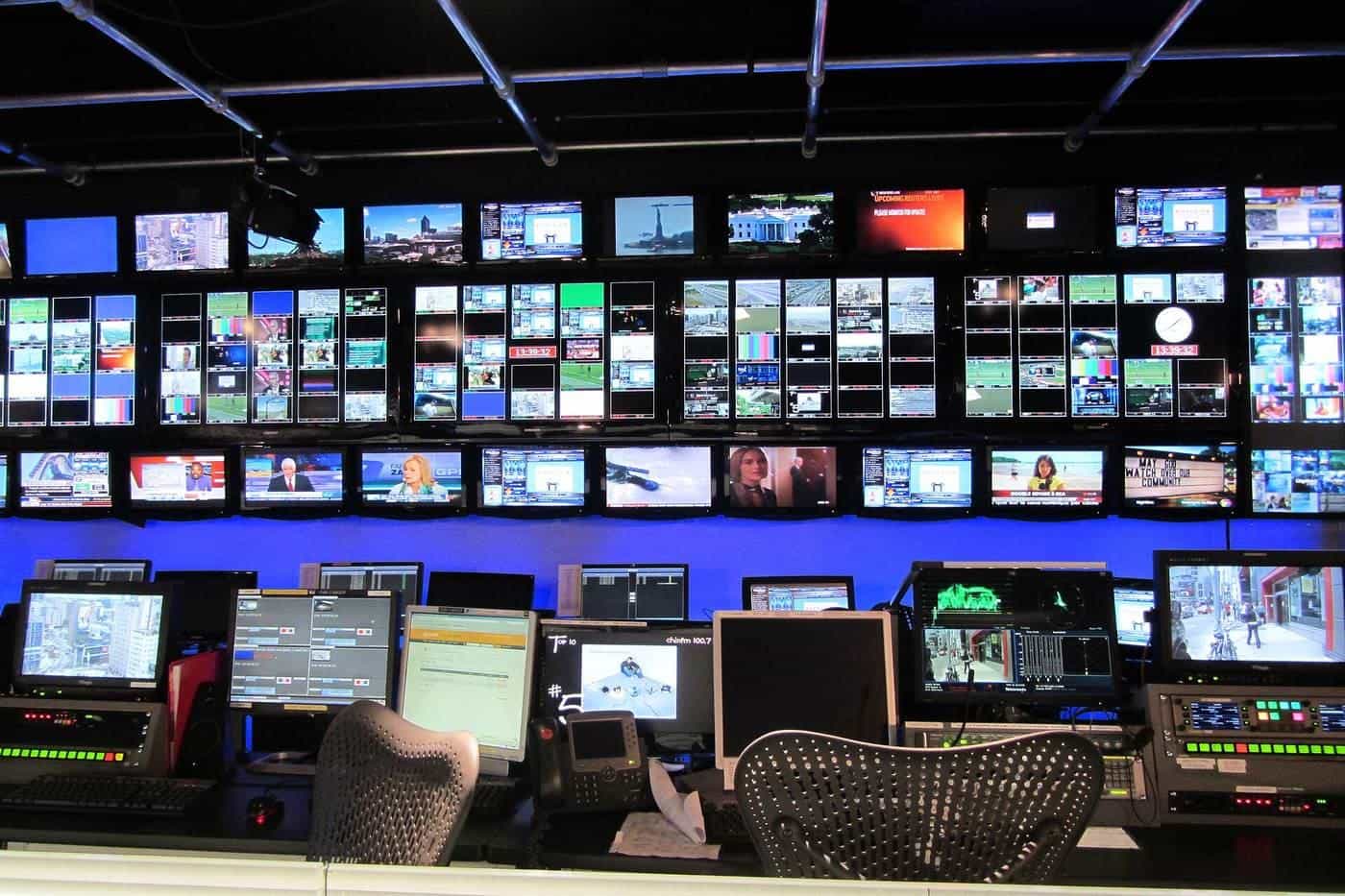
Australians now watch, listen and read across a mix of broadcast and online services. A household might watch the news live on free-to-air television, catch up on a drama through a network's streaming app, subscribe to one or more streaming services, listen to a DAB+ radio station in the kitchen and a podcast in the car, and follow news through social media feeds. Each of these comes with its own technology, business model and rules.
This section explains how Australian media works in the digital era, for viewers, listeners and anyone working with media.
2013
Analogue TV switch-off completed
Digital TV nationwide
2009
DAB+ launched
In mainland state capitals
ACMA
Broadcasting regulator
Licences and codes
Guides in this section
- Streaming and catch-up TV: free and subscription streaming, how to choose, internet speeds and devices.
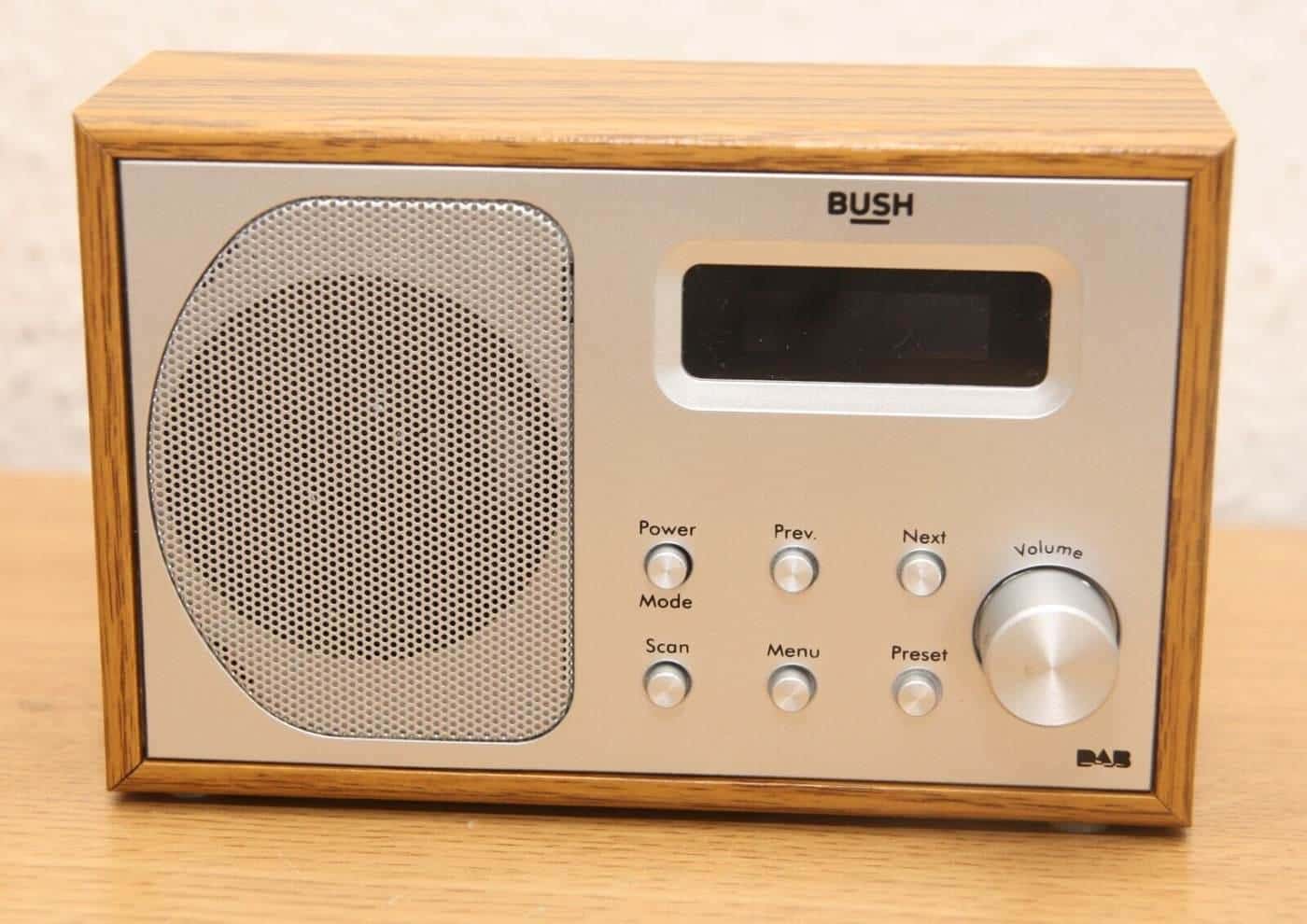
- DAB+ digital radio: how digital radio works, coverage, receivers and listening online.
- Privacy and online advertising: cookies, tracking, targeted ads, the Privacy Act and your choices.
- Media literacy and misinformation: checking sources, spotting false information and scams, and how platforms respond.
From broadcast to on demand
For most of the twentieth century, Australians received television and radio by broadcast: a station transmitted a signal, and anyone with a receiver in range could tune in at the scheduled time. Digital television replaced analogue transmission, adding more channels and better picture quality. The bigger change has been the internet, which made it possible to watch and listen on demand, on almost any device, from almost anywhere.
Broadcasting hasn't disappeared. Free-to-air television and radio still reach large audiences, are free at the point of use, and carry live news, sport and emergency information. Broadcasters now distribute their programs both over the air and online.
Who regulates media
ACMA regulates broadcasting, radiocommunications and telecommunications, including licensing broadcasters and registering industry codes of practice. The ABC and SBS are national public broadcasters established by their own Acts of Parliament. Commercial and community broadcasters hold licences under the Broadcasting Services Act 1992. Online content is regulated differently. The eSafety Commissioner has powers under the Online Safety Act 2021, and the OAIC and ACCC oversee privacy and consumer protection online.
Advertising and the business of media
Most free media is funded by advertising. As audiences moved online, advertising spending followed, much of it to large digital platforms. This has put pressure on traditional media business models, particularly local news. Online advertising often relies on data about users, which raises privacy questions covered in our privacy and online advertising guide.
Trust and information
The volume of information online makes it harder to judge what's accurate. False or misleading information can spread quickly through social media and messaging apps, and scams often imitate trusted brands and media outlets. Media literacy, the ability to access, analyse and evaluate media, is a useful skill for everyone. Our media literacy guide offers practical checks.
Emergency information
In emergencies such as bushfires and floods, broadcast radio remains important because it can keep working when mobile and internet services fail. Emergency broadcasters, including ABC Local Radio, provide warnings and updates. Keep a battery-powered or wind-up radio in your emergency kit, and know your local frequencies. Official emergency apps and websites from your state's emergency services also provide warnings.
Accessibility
Digital media can make content more accessible. Captions help people who are deaf or hard of hearing, and anyone watching without sound. Audio description, which narrates key visual information for people who are blind or have low vision, has become available on some Australian TV and streaming services. Captioning obligations apply to free-to-air broadcasters, and accessibility features are increasingly offered by streaming platforms.
Community and local media
Community broadcasters, local newspapers and independent online publishers play an important part in Australian media, particularly in regional areas and for First Nations, multicultural and special-interest audiences. Many community radio stations broadcast on DAB+ in capital cities as well as on FM and AM, and stream online. Supporting local media, by listening, subscribing, volunteering or advertising, helps keep local stories and voices on air.
Your rights as a viewer and listener
If you have a complaint about something broadcast on free-to-air TV or radio, the usual first step is to complain to the broadcaster under its code of practice. If you are not satisfied with the response, or don't receive one within the required time, you can generally take the complaint to ACMA. Complaints about advertising content can go to Ad Standards. Privacy concerns can be raised with the organisation and then the OAIC.
Media careers and skills
Digital media has changed the skills that media work requires. Journalists, producers and presenters now work across broadcast, online, social and audio, often filming, editing and publishing their own content. Universities, TAFEs and community broadcasters offer training, and community radio is a traditional training ground for presenters and producers. Whatever your path, skills in clear writing, audio and video production, verification and an understanding of media law are valuable.
Key points
Australian media now mixes broadcast and online services. ACMA regulates broadcasting, the eSafety Commissioner handles serious online harms, and advertising funds much free content. Broadcast radio remains vital in emergencies, and media literacy helps you navigate information online.
Guides in this section
Media and streaming
Streaming and catch-up TV
Free catch-up TV, subscription and ad-supported streaming, internet and devices, and choosing services in Australia, explained in plain English.
Read · 5 min
Media and streaming
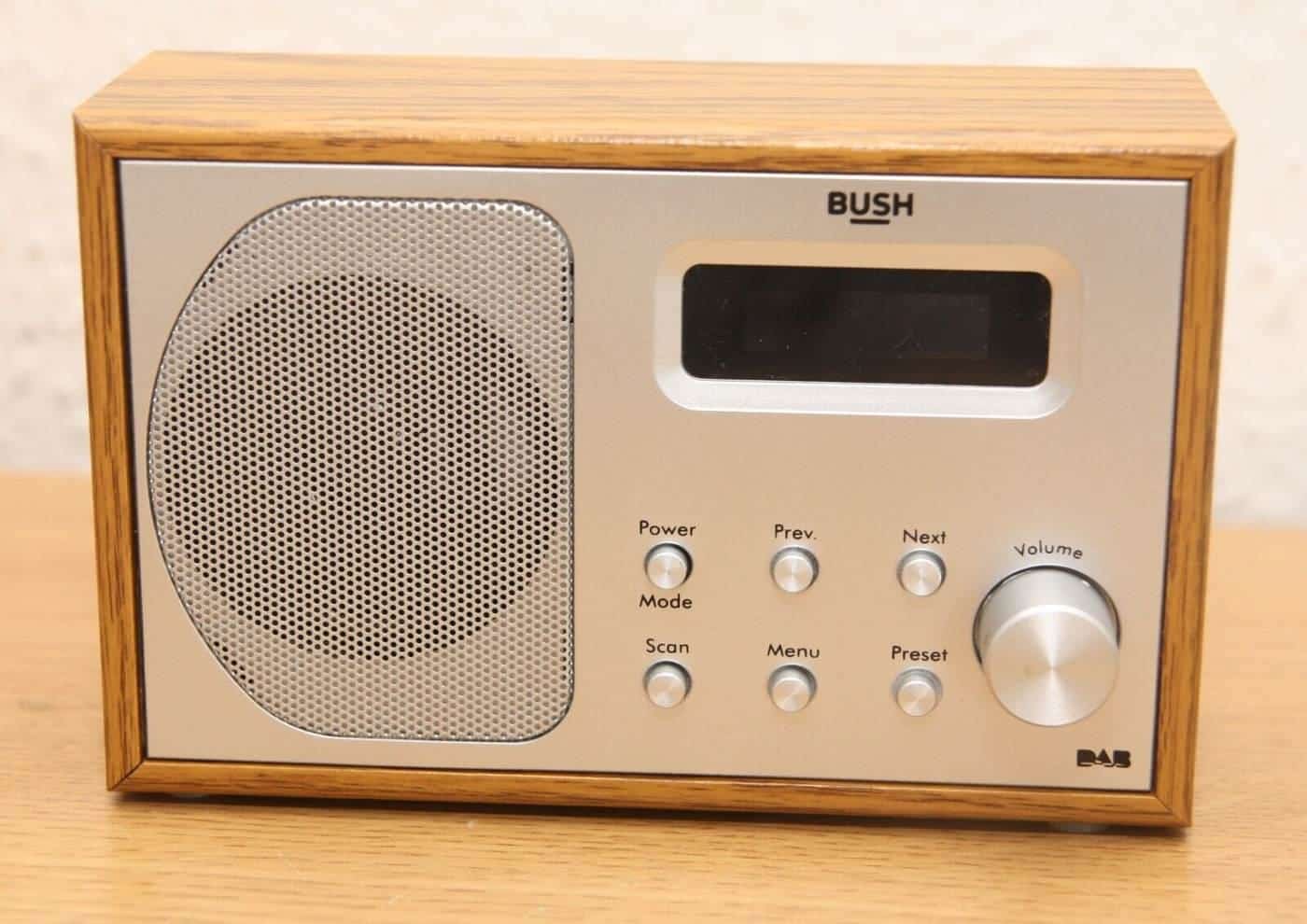
DAB+ digital radio
How DAB+ digital radio works in Australia, where it is available, choosing a receiver, car radios, streaming and emergency listening.
Read · 5 min

Media and streaming
Privacy and online advertising
How cookies, tracking and targeted ads work, what the Privacy Act and Australian Privacy Principles require, and how to control your data.
Read · 5 min

Media and streaming
Media literacy and misinformation
Practical checks for judging sources, spotting misinformation, deepfakes and scams online, and how Australian regulators and platforms respond.
Read · 5 min
Frequently asked questions
When did Australia switch off analogue TV?
The switch from analogue to digital television was completed region by region, finishing in December 2013.
What is DAB+?
DAB+ is a digital radio broadcasting standard. In Australia, DAB+ services launched in the mainland state capital cities in 2009 and have since expanded to some other areas.
Is catch-up TV free?
Free-to-air networks offer free catch-up and live-streaming services, often supported by advertising and sometimes requiring a free account. Subscription services charge a monthly fee.
Who regulates broadcasting in Australia?
The Australian Communications and Media Authority (ACMA) regulates broadcasting, including licensing and codes of practice for free-to-air and subscription broadcasters.
How can I report harmful online content?
The eSafety Commissioner runs complaints schemes for serious cyberbullying of children, adult cyber abuse, image-based abuse and illegal and restricted online content. Report to the platform first where appropriate.